Abolish National Insurance
The biggest tax cut for workers in a generation, fully replaced by taxes on wealth.
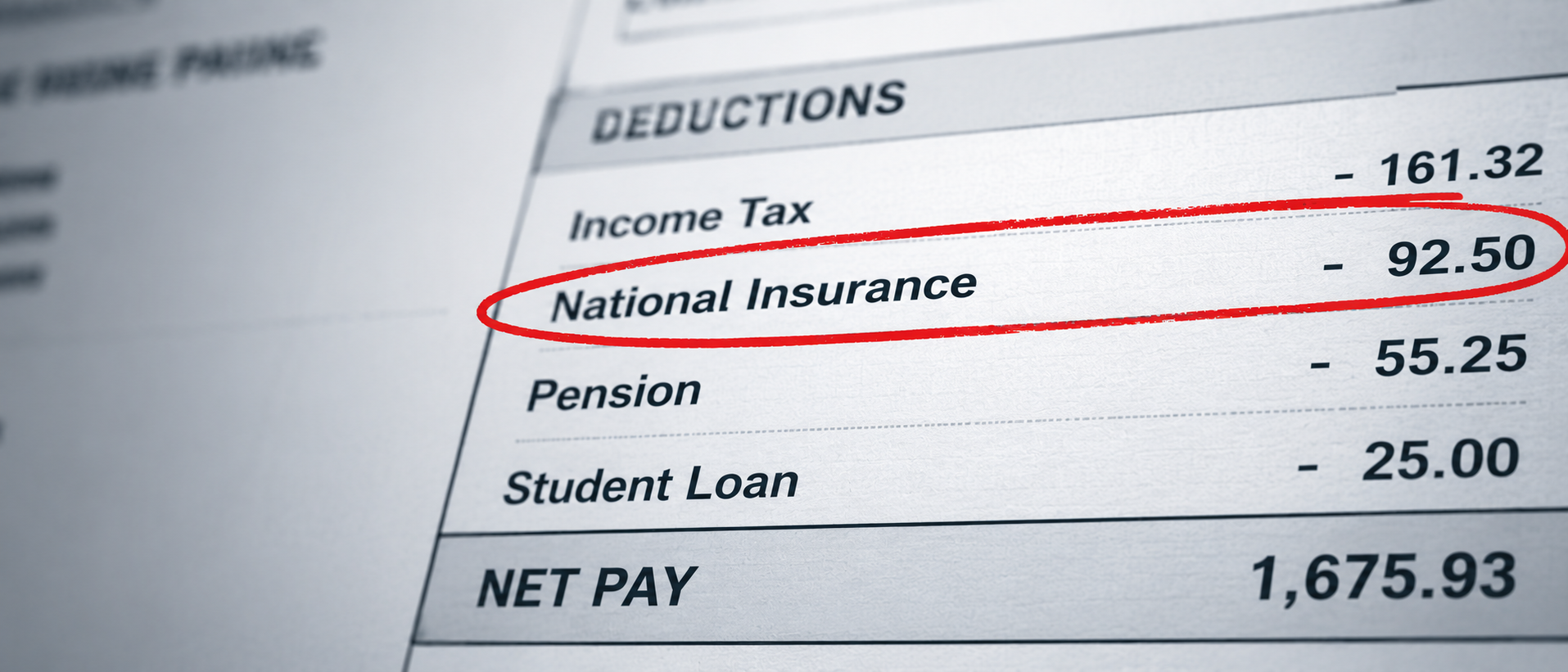
The measure
Abolish National Insurance for both employers and employees, replacing it with taxes on wealth, land and carbon.
The original logic was simple: contribute during your working life, draw down in sickness, unemployment, and old age.
But the link between contribution and benefit was severed long ago. NI is now a payroll tax dressed in the language of insurance.
It’s a tax on working and employing, a disincentive to some of the very things we need more of.
Abolishing it entirely helps people who are struggling, is a boost to small businesses. It is the clearest possible statement of what a redirected economy values.
Expected impact
- Take-home pay boost from day one
- Employers hire more as the cost of each job falls
- Real wages rise as employers compete for talent
- The UK becomes one of the cheapest places in the world to employ people
Cost and revenue
| Revenue change | Annual |
|---|---|
| Employee National Insurance abolished | −£95bn |
| Employer National Insurance abolished | −£105.6bn |
| Total revenue cost | −£200.6bn |
The £200.6bn removed from employment costs is replaced by new revenues from the progressive wealth tax, Land Value Tax, and carbon tax. The reform is revenue-neutral overall. The burden moves from taxing work to taxing accumulated wealth and pollution.
Evidence and assumptions
Employer NI creates a direct cost to hiring. Every marginal hire must generate enough revenue to justify not just the wage but the 13.8% levy on top of it. The effect is most acute for small businesses considering their first or second hire, and for roles at the lower end of the wage scale where margins are tightest.
It’s partly replaced by a progressive wealth tax, which raises revenue from wealth that has accumulated over a lifetime (or been inherited) rather than from the act of working.