Road Pricing
GPS-based distance charging replaces road tax (VED). Revenue-neutral for the average driver. A 70% discount for EVs.
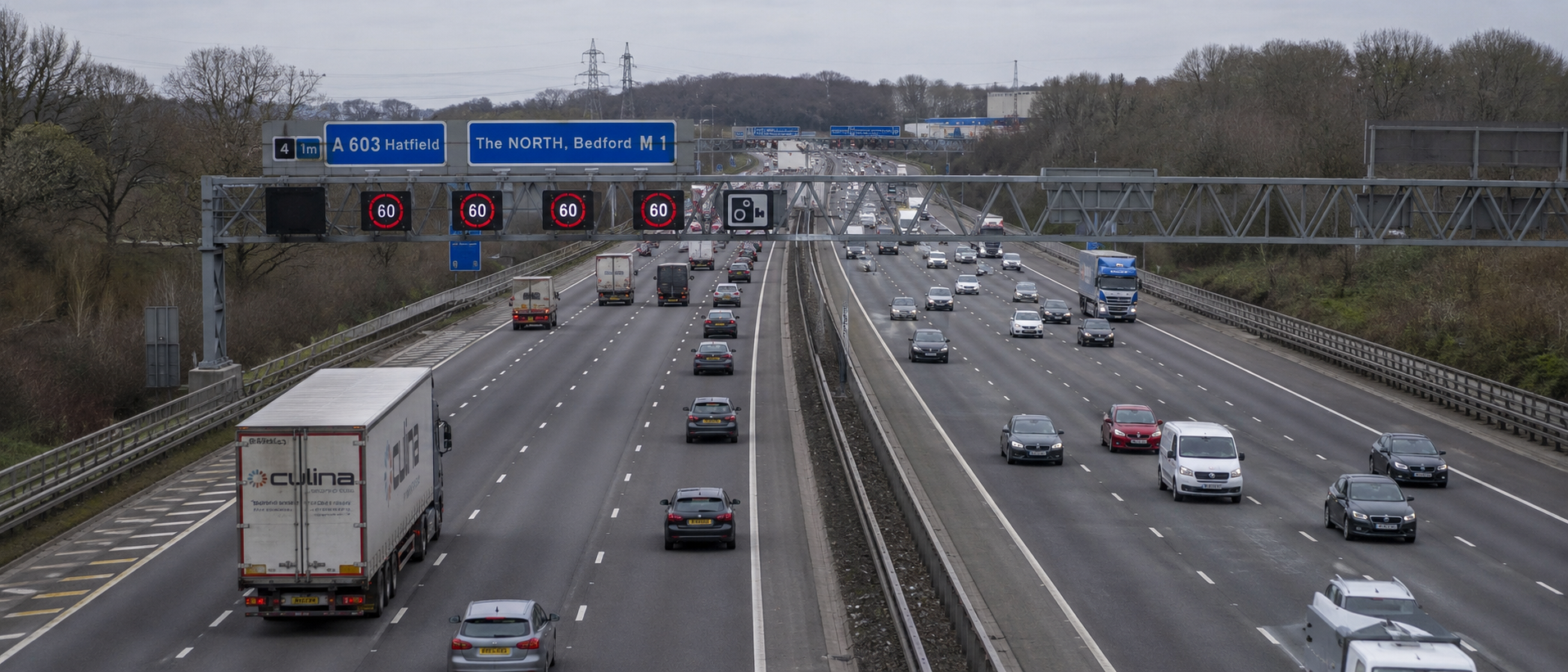
The measure
Replace Vehicle Excise Duty (commonly known as ‘road tax’) and a portion of fuel duty with dynamic Road Pricing.
Road use is tracked via an independent GPS system which strict privacy regulations, public oversight and accountability. Only the data needed to charge accurately is gathered.
| Vehicle type | Base rate per mile |
|---|---|
| Electric vehicle | 2p |
| Petrol or diesel car | 7p |
| Van or truck | 15p |
Those base rates are then adjusted by location and time:
| Condition | Multiplier |
|---|---|
| City centre, peak hours | ×2.5 |
| City centre, off-peak | ×1.5 |
| Motorway | ×1.0 |
| Rural roads | ×0.7 |
| Night (11pm–6am) | ×0.5 |
What this means in practice for three different drivers — all of whom currently pay VED (around £200/year) and fuel duty on top:
| Driver | Under road pricing | Currently (VED + fuel duty) |
|---|---|---|
| Rural driver, 5,000 miles, mostly off-peak | £275/year | £550/year |
| Suburban commuter, 10,000 miles, 30% peak | £625/year | £900/year |
| City commuter, 12,000 miles, 50% peak | £900/year | £1,040/year |
Once you pay annual road tax (VED) it makes sense to drive as much as possible to spread the cost. When you only pay per mile and when the type of miles you drive are charged at different rates, you are empowered to make different choices.
Expected impact
- Rural drivers pay less than they do today
- City-centre peak commuters pay more, encouraging the switch to public transport
- EV drivers pay a fraction of what petrol drivers pay
- Congestion falls as peak-hour pricing changes behaviour
- School runs become more walking-friendly with massive benefits for communities and child respiratory health
Cost and revenue
| Revenue change | Annual |
|---|---|
| Road pricing gross revenue | +£28bn |
| Vehicle Excise Duty abolished | −£7bn |
| Net new revenue | +£21bn/year |
Fuel Duty is also replaced by the Carbon Tax, which prices the emissions from the most polluting vehicles.
Evidence and assumptions
VED is a blunt instrument. It charges the same whether you drive 1,000 miles or 30,000. Fuel duty is better — it correlates with use — but it cannot distinguish between a rural driver with no alternative and an urban commuter choosing to drive at peak hour when the road is already congested.
Road pricing charges for actual use of a shared resource, with the price reflecting the actual cost imposed: congestion at peak times, wear on urban roads, emissions from the journey. Stockholm's congestion pricing reduced traffic by 22% and cut emissions by 14%, was rejected in a referendum, then re-introduced by the same population that rejected it once the effects were visible. The design lesson: make the benefits as visible as the cost.