VAT for the Planet
Sustainable choices should cost less, paid for by higher prices on the things that pollute.
The measure
Use the existing VAT system to incentivise greener choices
0% VAT for repairs, EVs, heat pumps and solar
Higher VAT for products which harm the climate or waste materials
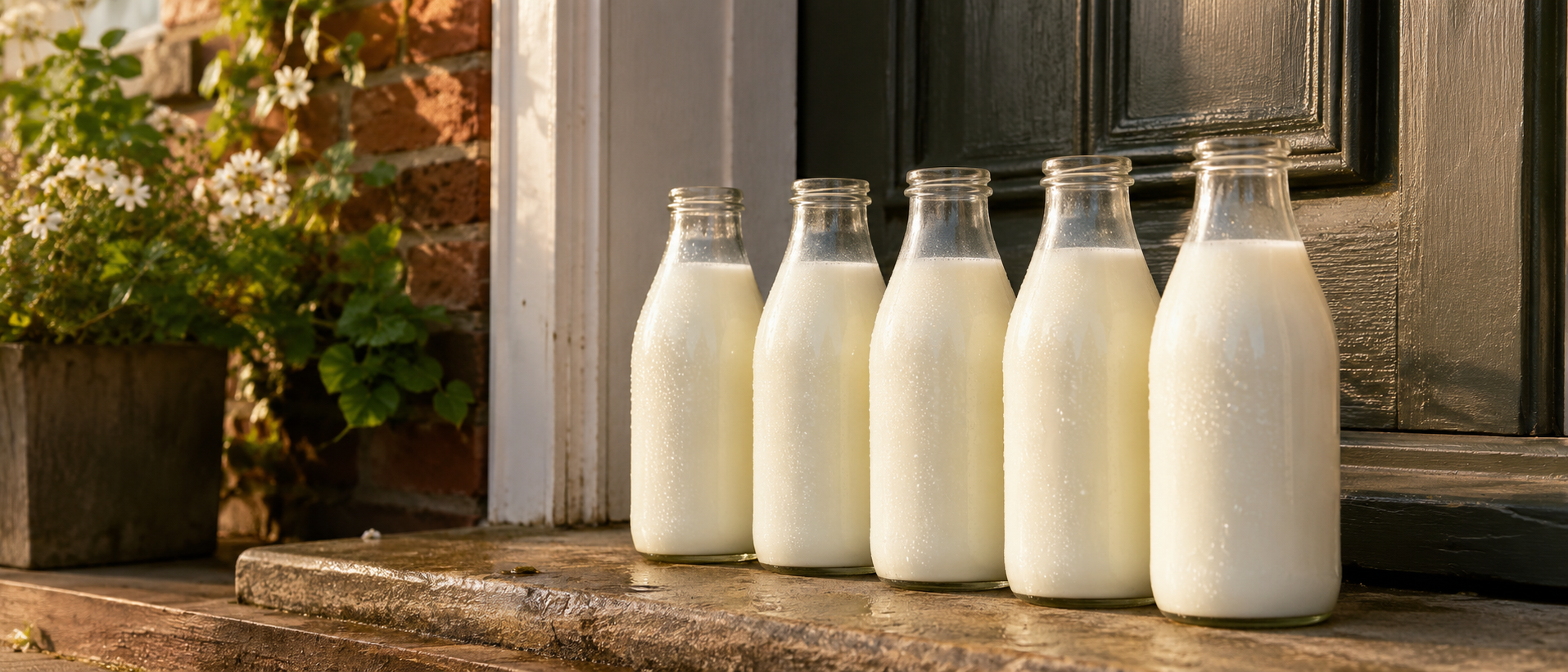
5% reverse VAT for groceries and takeaways sold in ‘certified circular’ packaging systems like reusable milk bottles
VAT is an underused tool in our mission to tackle the climate emergency.
The principle is simple: greener choices pay less VAT.
Polluting products carry higher rates:
| Product | New VAT rate |
|---|---|
| Single-use plastic (bottles, bags, cutlery, packaging) | 40% |
| New petrol and diesel vehicles | 30% |
| New gas boilers | 30% |
| Patio heaters and petrol garden machinery | 30% |
| Private jets, helicopters, superyachts | 30% |
The decision to buy a new gas or oil boiler is a critical moment. One individual choice which might lock in 15 years of additional CO2 production for a household. We want the choice in this moment to feel clear.
A gas boiler is still available. It simply carries a VAT rate that reflects the deeper cost. This makes the heat pump considerably more attractive at the point of purchase.
Bring Back the Milk Bottle
Groceries and takeaways sold in ‘certified circular’ packaging will attract -5% VAT.
The customer sees a lower price and the business gets an incentive to invest in the infrastructure needed.
The humble and much loved milk bottle is the ideal model: a durable container, return infrastructure, industrial cleaning, repeat. The economics worked because it was easy for customers, the return created a supply of clean empties and the clean empties made the whole system cheaper than a linear alternative.
What broke the milk bottle was cheap plastics. But they’re not actually cheaper. It’s just that someone else pays the price of the pollution. The reverse VAT helps to correct this distortion.
Three examples:
| Product | Selling price | Business gets back |
|---|---|---|
| Milk in glass bottle | £1.50 | 7.5p |
| Shampoo in refillable container | £4 | 20p |
| Takeaway in returnable container | £8 | 40p |
When the business runs its quarterly VAT return, they actually get a credit for selling these products. This subsidy helps them build the infrastructure for ‘certified circular’ and to pass on savings to customers.
To qualify as ‘certified circular’ the packaging must be part of a verified return scheme with a 95%+ return rate, industrial sterilisation, and tracking to food safety standards. Severe penalties for abuse.
Expected impact
- Single-use plastic becomes significantly more expensive
- UK plastic waste falls 70% by 2030
- Decline in gas boiler installs, even for replacement
- Emergence of new ‘network’ players in the circular packaging space, offering plug and play solutions to smaller businesses
- Takeaway delivery platforms respond to opportunity of providing circular packing to their vendors
- Green energy installs and certified circular contribute to jobs boom providing not only work but purpose for a generation
- Lower impact products become affordable and mainstream rather than totemic and only for middle class consumers
Cost and revenue
| Revenue change | Annual |
|---|---|
| Higher VAT on polluting products | +£9bn |
| VAT zero-rating on green goods and transport (see energy-transition) | −£8bn |
| Reverse VAT subsidy on certified returnable packaging (capped £250m/year) | −£0.25bn |
| Net revenue impact | ~£0 (revenue-neutral) |
The purpose is not to raise money but to correct prices. Sustainable choices are artificially expensive because the disposal cost of disposable alternatives is externalised onto local authorities, taxpayers and the environment.
Evidence and assumptions
Reusable packaging does not compete on unit cost with single-use plastics. A glass bottle appears to cost more than a plastic one. The comparison changes entirely when you count trips: a glass bottle making 20 journeys is dramatically cheaper per use. Reusable packaging is infrastructure, not product, and infrastructure economics work differently.
The plastic bag levy is proof at scale. A 5p charge changed behaviour dramatically because it makes the cost visible at the moment of decision. These measures apply the same principle to gas boilers, petrol cars, and single-use plastic.